Charge your electric car at home, conveniently and cheaply. We install charging points in houses, shared garages and businesses, with the legal protections, and help with available support.
If you own an electric or plug-in hybrid car, a charger at home is where most of the charging should happen: it is cheaper than public charging, the car is ready every morning, and it makes the car easier to own. A proper charger is a wallbox on a dedicated circuit, not a socket.
The difference matters for safety. A household socket is not designed for hours of continuous high current, and it can overheat. A wallbox has its own line, its own protection and, in a good one, load management that adjusts the charging to what the rest of the home is using so the supply does not trip. We assess the available power first and size the charger to it, and if more power is needed we arrange it.
In a block of flats the usual question is whether you may install one in your own parking space. Under the law, an owner with a private parking space is generally entitled to install a charging point with advance notice to the community rather than needing its approval, but the details of your building and its shared electrics matter. We handle the notification and check the position. See garages, electrical installations and solar panels.
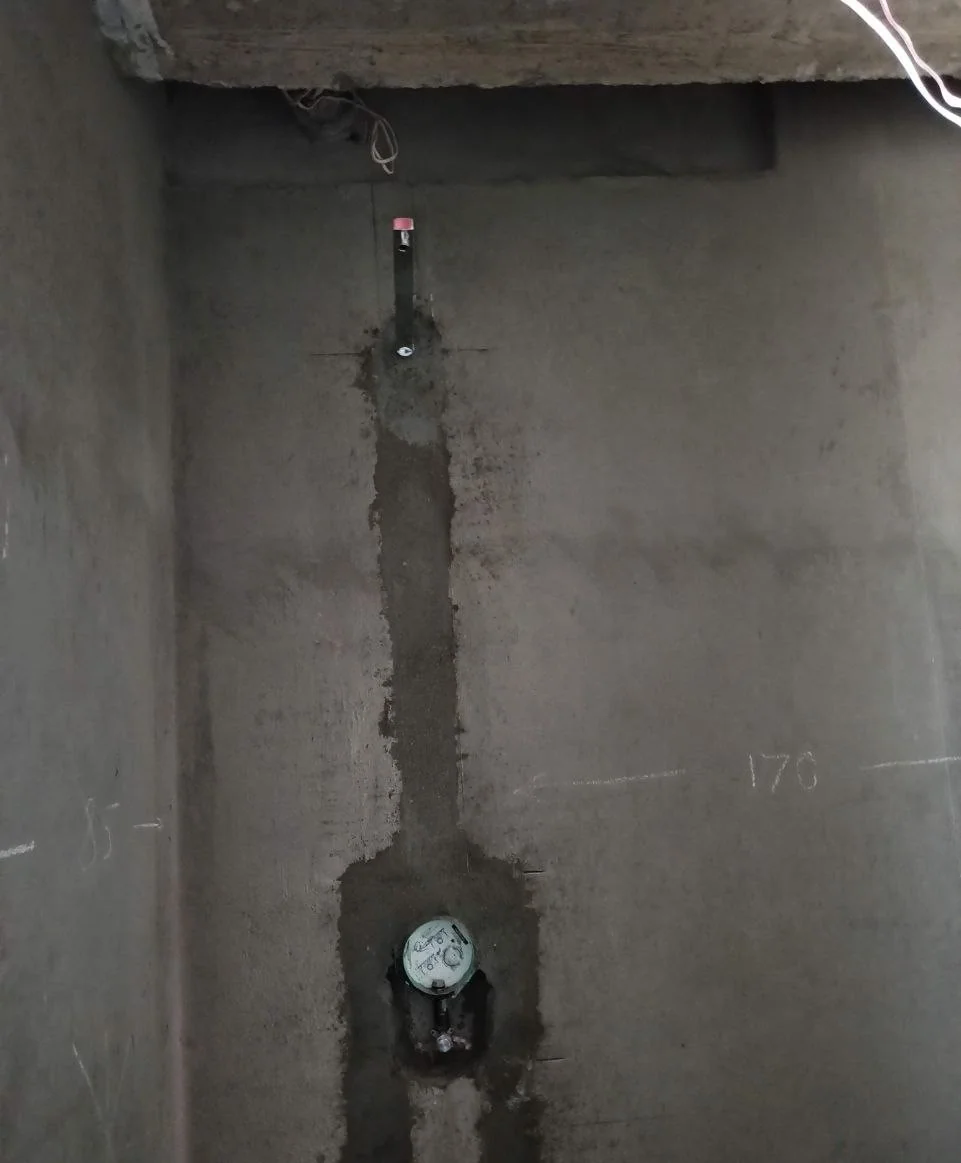
A day for a straightforward home installation; longer in a shared garage with a long cable run.
We find where the charger can go, how far it is from the consumer unit and how much power is available.
In a shared garage, we handle the notice to the community.
A dedicated line from the consumer unit or the meter to the charger, in conduit or tray.
A dedicated circuit with the protection devices the regulations require.
The charger fitted and configured, with load management if needed.
The installation tested and the certificate issued.
A demonstration and warranty.
We check the power and the route. Free.
A fixed price, with the certificate included.
Usually in a day.
Certificate, demonstration and warranty.
We size the charger to what the supply can deliver.
So charging does not trip the rest of the home.
The notice to the community, in a shared garage.
Authorised electricians, certificate included.
Where national or regional schemes exist.
On the installation.
Supplied and installed, VAT excluded.
| Location | What it covers | Indicative range (€) | |
|---|---|---|---|
| House | Standard finishes, practical solution | 700 – 1,500 € | |
| Shared garage | Selected materials, best balance | 900 – 2,000 € | |
| With a grant | Premium materials and high-end interior design | Reduced cost |
Indicative only. VAT excluded. The final figure is a fixed written quote after the free survey.
Indicative ranges, VAT excluded.
A charging point in the garage or outside your own home.
A charger at your space, with a line from your meter or the common supply.
Several chargers with load management for a business or a fleet.
National or regional schemes have covered part of the installation.
In a shared garage the line usually runs from your own meter or, if not possible, from the common supply with a sub-meter, and the community must be told. The cost difference between the two can be considerable, and we explain it.
The scope of a charger installation, and what is separate.
VAT is shown as its own line — 10% or 21% depending on your case.
Charging connects electrics, garages and solar.
Across Barcelona and Catalonia. Find your town.
Official boundary data for comarques and municipalities (ICGC, 2025).
What drivers ask about home charging.
Generally yes. For a charger at your own parking space you normally need to tell the community in advance rather than obtain its approval, though the details of your building and its shared electrics matter. We handle the notification, the installation from your meter and the protections, and we check the position for your building.
It is not recommended. A household socket is not designed for hours of continuous high current and can overheat, and it charges slowly. A wallbox on a dedicated line with its own protection charges faster and safely. It is also what the regulations expect for regular use.
At various times, yes: national and regional programmes have subsidised a good part of the installation of charging points in homes, communities and businesses. Schemes open and close, so we check what is available when you ask and prepare the paperwork, but we will not budget on a scheme that is not open.
Roughly 700 to 1,500 € at a house and 900 to 2,000 € in a shared garage, excluding VAT, including the charger, the line, the protections and the certificate. The cable run is the biggest variable.
Yes, if it is sized properly. We check the available power and, if needed, fit a charger with load management, which reduces the charging rate when the rest of the home is drawing a lot. If you need more power, we arrange it with your supplier.
In stages: a deposit on signing, the balance on completion.
Practical guides to prices, materials, permits and the decisions that come up on site — so you can plan your flat refurbishment with your eyes open.
10,000 € buys a bathroom or a kitchen; a 60 m² flat starts at 34,400 € at functional level. What each budget covers up to 150,000 €, before VAT.
Read the article →Guides and adviceWhat a technical architect (aparejador) charges in Spain in 2026: fee percentages, fixed prices, what drives the cost and when hiring one is compulsory.
Read the article →Full renovationsWhat an architect charges for a renovation in 2026: typical rates, fees as a share of the PEM budget and how to keep the total under control.
Read the article →Free survey and power check anywhere in Catalonia. Community notification handled.

