Compulsory to sell or let any property in Spain. A surveyor assesses it, issues the certificate with its A-to-G label, and we register it with the Generalitat. Quick, cheap, and one of the few bits of Spanish paperwork with no catch.
The certificado de eficiencia energética — EPC — rates a property’s energy consumption and CO₂ emissions on a scale from A to G, A being the most efficient. It has been compulsory across Spain since 2013 for any property being sold or let, the rating has to appear in the listing, and the certificate has to be handed over at completion. It is valid for ten years.
In Catalonia the certificate is registered with the Generalitat through ICAEN, and the registration is what makes it valid — an unregistered certificate from a surveyor is not worth anything to a notary. The process is a visit, a calculation and a filing, and the whole thing is genuinely inexpensive.
What the rating is actually driven by surprises people. It is not the boiler, mostly. It is the envelope — walls, roof, windows — and what heats the water. A typical uninsulated Barcelona flat with single glazing and an electric water heater lands at E, F or G, and almost all of the Spanish housing stock sits in that band. A low letter is normal and it will not stop a sale; it may well affect what a buyer offers.
If you are renovating anyway, this is worth knowing before rather than after: insulation, better glazing and an air-source heat pump are the three things that move the letter, and they also qualify for grant funding in many cases. See energy efficiency and façade restoration, which is where the insulation usually goes. And if you need the habitability certificate too, which to sell or let you do, have both done on one visit.
Usually three to seven days. The visit takes well under an hour.
Selling or letting, and when. The certificate has to exist before the property is advertised, not before completion — a point many agents get wrong.
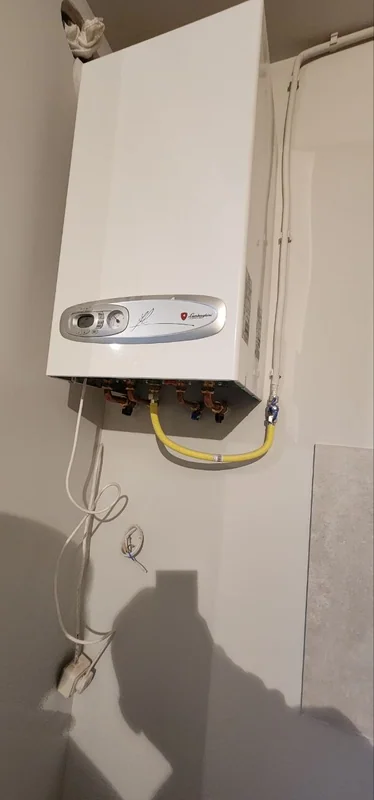
A surveyor records the construction of the walls, roof and windows, the orientation, and the heating, cooling and hot-water systems. Photographs and measurements, nothing invasive.
The data goes through the official calculation software, which produces the rating and the certificate — including a list of recommended improvements and what each would do to the letter.
We register it with ICAEN and pay the registration fee. Registration is what makes the certificate legally valid.
Sent to you with the A-to-G label for your listing, plus an explanation in English of what the recommendations would actually cost.
An email in English is enough. We quote the fee and the timescale before booking anything.
With you, your tenant, your agent or a key-holder. You do not need to be in Spain.
Calculated, issued and registered with ICAEN. The registration fee is itemised separately because it is a public charge.
You get the certificate, the label for your listing, and a straight answer on whether the recommended improvements are worth doing. Often they are not, for a property you are selling.
Combined with the habitability certificate on a single visit, which is cheaper and quicker than two separate visits.
We register with ICAEN, which is the step that makes the certificate valid. An unregistered certificate is useless at a notary.
And what it would cost, because we are the people who would do the work. Usually the honest answer for a seller is: nothing, just sell it at E.
Access arranged with your agent or tenant, certificate emailed. No need to travel for a 40-minute inspection.
Our fee and the ICAEN registration fee are shown as separate lines.
The certificate is issued in Catalan or Spanish because that is its legal language. We tell you what it says and what the recommendations mean.
Surveyor’s fees, VAT excluded. The ICAEN registration fee is separate and is not ours.
| Property | What it covers | Indicative range (€) | |
|---|---|---|---|
| Flat or apartment | Standard finishes, practical solution | 60 – 120 € | |
| Detached house | Selected materials, best balance | 90 – 180 € | |
| Commercial unit | Premium materials and high-end interior design | By floor area |
Indicative only. VAT excluded. The final figure is a fixed written quote after the free survey.
Indicative fees, the registration fee excluded.
Visit, calculation, certificate and registration.
More rooms and more external envelope to assess.
Certificates for commercial units and other uses.
Both documents on one visit, cheaper than ordering them separately.
The certificate must exist before the property is advertised, because the rating has to appear in the listing — not before completion, which is when most people discover they need it. Spanish regional authorities do fine advertising without a rating, and portals increasingly refuse the listing.
What the fee covers, and what sits outside it.
Our fee carries VAT at 21%, because it is a professional service rather than renovation work. The registration fee is a public charge and is passed through without a mark-up. One note on the recommendations: the certificate lists improvements and the letter they would achieve, but it does not price them — and the official software’s suggestions are frequently not the most cost-effective thing to do. Ask us and we will tell you what it would actually cost.
If you want to move the letter rather than just record it, the work is on this list.
All four Catalan provinces. Find your town.
Official boundary data for comarques and municipalities (ICGC, 2025).
What owners ask when an agent has just told them they need one.
It rates a property’s energy consumption and emissions from A to G and has been compulsory since 2013 for selling or letting anywhere in Spain. The rating has to appear in the advertisement, and the certificate is handed over at completion. It is valid for ten years. Its practical purpose for a buyer is comparability: it is the only standardised statement about how expensive a property will be to heat.
It is normal and it will not stop the sale. The large majority of Spanish housing sits at E, F or G, because most of it was built without insulation and has single glazing. No notary will refuse a completion over a low letter. What it does affect is negotiation — an informed buyer reads F as "I will be paying to heat this" — and increasingly, access to some green mortgage products.
The envelope and the hot water, far more than the boiler. Insulation in the walls and roof, the glazing, the orientation and the air-tightness set most of it; after that, how water is heated matters a great deal, which is why an electric immersion heater is so punishing. The three changes that genuinely move the letter are insulation, better glazing and an air-source heat pump. Changing light bulbs does nothing to it.
Usually not, and we will say so even though we are the people who would do the work. The improvements that move a letter — external insulation, new windows, a heat pump — cost many thousands and do not return their cost in a sale price. If you are keeping the property, they are worth it for the comfort and the bills, and they often attract grant funding. If you are selling next spring, sell it at E and let the buyer decide.
Our fee is 60 to 120 € excluding VAT for a flat and 90 to 180 € for a house, plus the small ICAEN registration fee at cost. Three to seven days end to end, with a visit of well under an hour. It is the cheapest obligatory document in a Spanish property transaction, and ordering it with the habitability certificate makes it cheaper again.
No. The energy certificate grades consumption A to G. The cédula confirms the property is legally fit to live in. Different rules, different fees, different registers — and to sell or let you generally need both. They are the two documents people most often conflate, usually at the point an agent asks for "the certificate". One surveyor can issue both on one visit; see habitability certificates.
Yes. We arrange access with your agent, tenant, a neighbour or a key-holder, and email you the certificate and the label once it is registered. No digital certificate or Spanish electronic ID is needed on your side.
Listing. The rating must be in the advertisement, which means the certificate has to exist before the property goes on the market. Most people are told about it a week before completion, which technically means they have been advertising non-compliantly for months. Portals increasingly refuse listings without a rating, so in practice the agent will now ask earlier.
No, and this is its main weakness. It lists measures and the letter each would achieve, but gives you no costs — and the official software’s recommendations are often not the most cost-effective option for your specific building. Treat the list as a technical indication, not a plan. Ask us for real figures before acting on any of it.
Yes. The tenant is entitled to a copy of the registered certificate, and the rating should have been in the listing they responded to. Keep the registered PDF with your tenancy paperwork; it is one of the documents a housing inspection would ask to see, and it is valid for ten years so it will cover several tenancies.
Practical guides to prices, materials, permits and the decisions that come up on site — so you can plan your flat refurbishment with your eyes open.
10,000 € buys a bathroom or a kitchen; a 60 m² flat starts at 34,400 € at functional level. What each budget covers up to 150,000 €, before VAT.
Read the article →Guides and adviceWhat a technical architect (aparejador) charges in Spain in 2026: fee percentages, fixed prices, what drives the cost and when hiring one is compulsory.
Read the article →Full renovationsWhat an architect charges for a renovation in 2026: typical rates, fees as a share of the PEM budget and how to keep the total under control.
Read the article →Visit, calculation, certificate and ICAEN registration. Both certificates on one visit if you need them.

